As a child, I used to play cards with an old, funky man. He taught me that a heavy rock is called a “mazzacàni”, which means that it kills dogs, and that there’s a way to look into someone’s eyes to obtain any desire. He showed me the best ways to cheat at cards – I was upgraded from playing with kids to joining the loud and ever-lasting tournaments of the elderly. Only recently, years after he passed away, I was told other stories, which confirmed my childhood fascination.
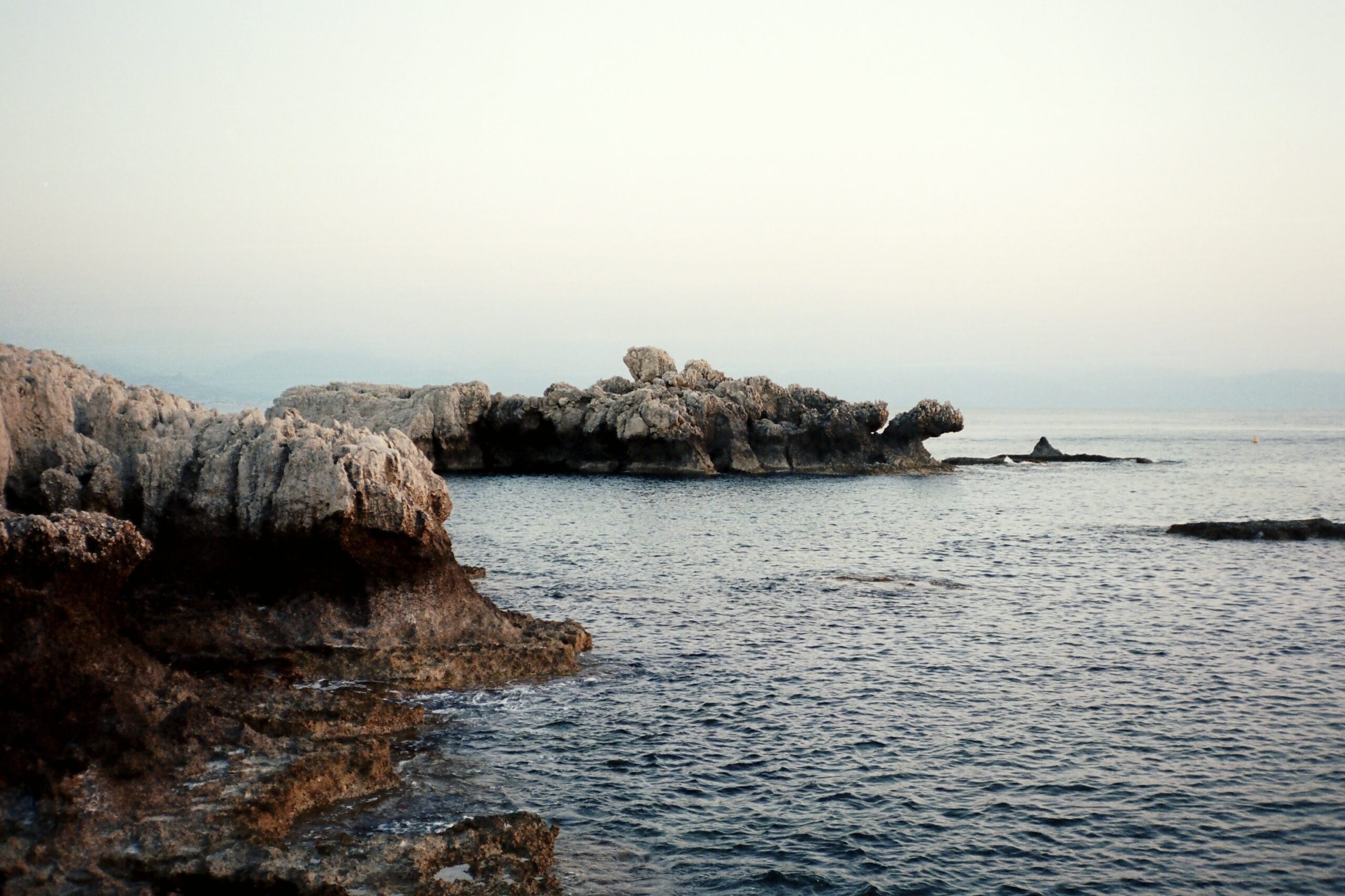
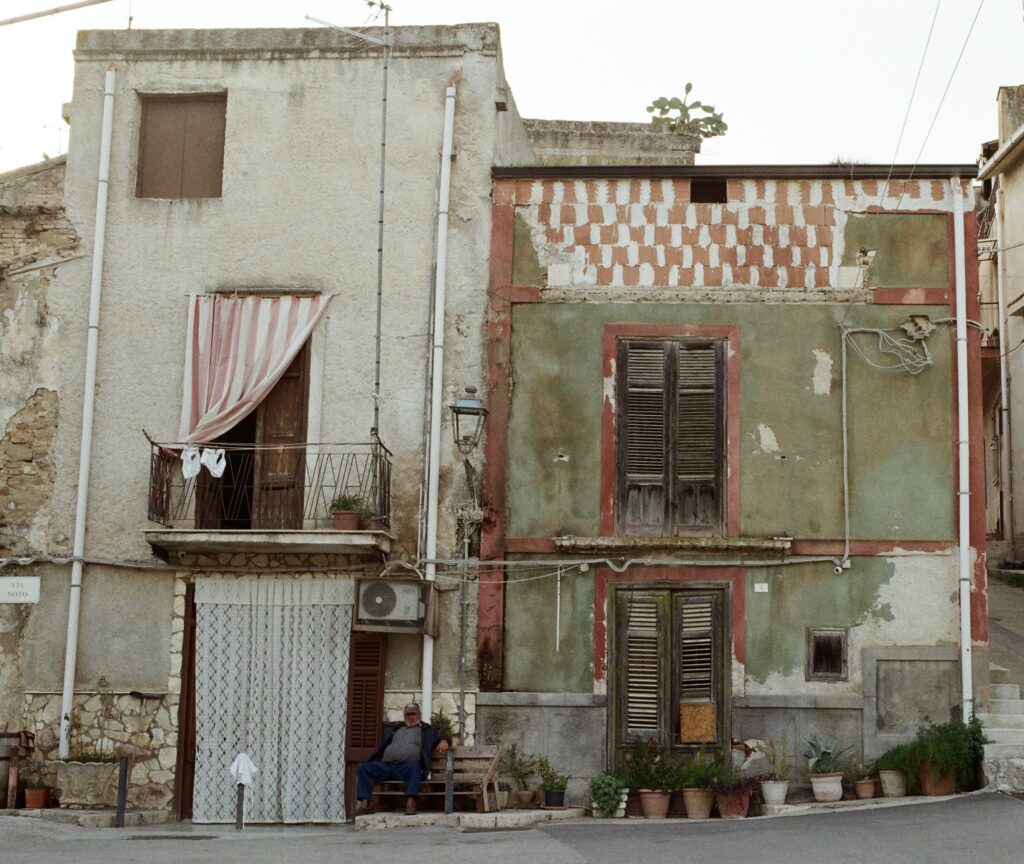
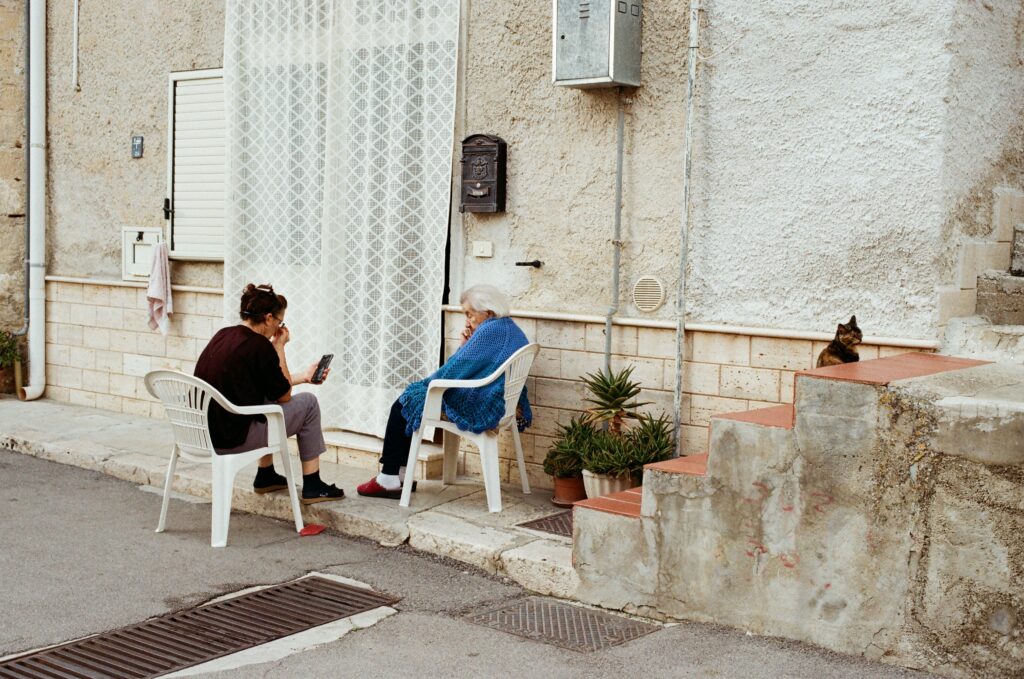
Masino was born in a small Sicilian town, a tiny peninsula overlooking the sea on three sides. He never said much about his early years. He lived on bread and beans and took advantage of when he had to babysit his newborn cousin to steal precious biscuits from his aunt’s cupboard. At thirteen, he was abandoned by his friends who had each found a girl to entertain. They would take the girls up to Mount Trino by bicycle, where they would have sex leaning against the church wall, opening their eyes to the 270-degree view of the sea. Masino never managed to develop that kind of appeal, not so much because of his looks: despite his greasy hair and his premature hunchback, he had a regular appearance, but because of his strict father. He would regularly ask him for a bike, so that he too could balance girls on the frame, but his father always responded by purchasing a single spoke, explaining: “Cu’ tempu e cu’ pacenzia, tuttu veni” and “u tempu è galantomu”, meaning that with time everything comes into place. As he lost hope, Masino visited his grandfather for the holidays in the countryside, where he hid among chickens.
He looked at those animals and, out of curiosity, began to touch them. A pat on the head led to lifting the hens. He pulled their legs in opposite directions, touching what he thought were their genitals: he hoped to upset them and hear them scream. The chickens were so used to being mishandled that they stared at him the same way they did at grain. Chickens, boys, girls, parents: all the same, their eyes looked straight through him as if he didn’t exist. He met their indifference with attention. He noticed a small protuberance on some chicks, absent on others. Without anything else to do, he challenged himself to improve his pace, unaware that this would become his trade, with which he could finally go beyond survival. Excited with the results he achieved through a summer of practice, he told his family about his talent. His father didn’t see the potential, but rather he believed his son had reached madness and this new skill was the sign that the time had come to finally send him away. He argued his son had always been too distracted, too much of a monello to be trusted. He forced him to enrol in the military, situated in an austere building surrounded by statues whose marble reminded Masino of waves and of his friend’s boat which floated despite the loose wood. He escaped and to survive he officially became a chicken sexer. He spent the following years seated before three cardboard boxes: the box of the unknown, the box of the females, and the box of the males. The latter always met the same fate, ending up in a machine like a mill. In three years, he had determined the sex of one hundred and fifty thousand chicks, managing the skill in less than two seconds—faster than the Japanese minimum of three.
The first recognised chicken sexers were Japanese. Their method was announced at the World Poultry Congress in Ottawa in 1927. Masino knew how to do it before hearing of those farmers. He thought Japan was a type of sweet, one of those brought by the Americans. He became famous; he was the first European chicken sexer and soon he had many alumni, he was called across Italy and then across Europe to teach the trade. The procedure consisted of lulling the chick in his hands (the chick must be relaxed, he always explained). Then he would gently press its intestines—not too much, or it would die—and open the tiny flaps covering the genitals. It takes a long time to learn to recognise these flaps, which are invisible to an untrained eye. He managed to put away a lot of money, enough to be able to ride back to the town with sea on three sides for holidays on a motorcycle, laughing at those boys—now men—still riding their rusty bikes. However, the industry soon left him behind. Trustworthy of his yet-to-be-discovered entrepreneurial and culinary skills, he opened an Italian restaurant in Brick Lane, London.
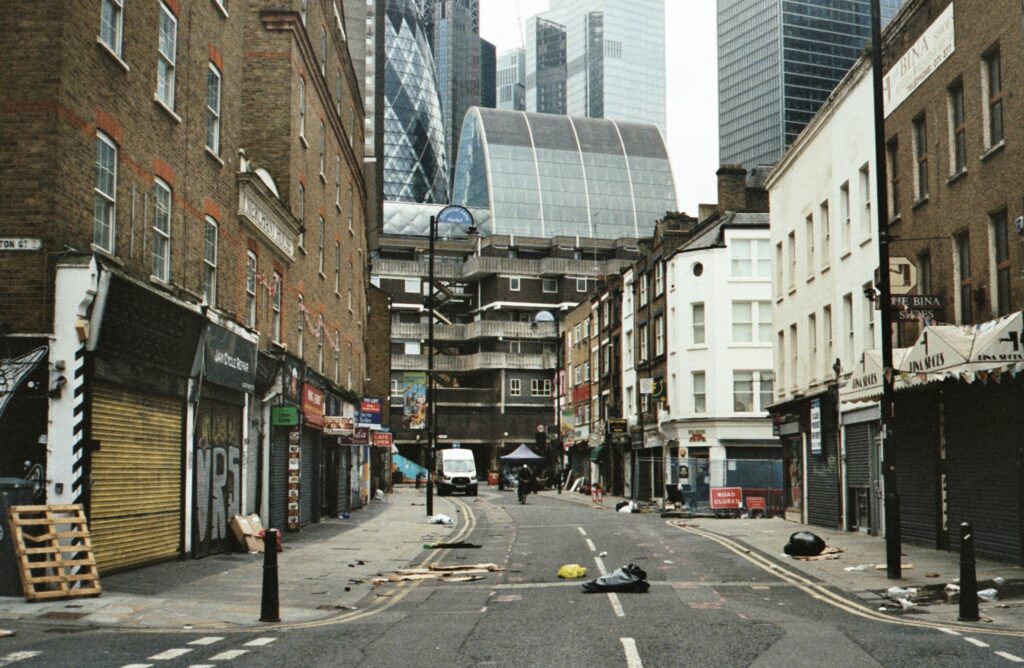
The restaurant soon failed, but he pretended it hadn’t. He gathered money from his wife’s family and hid away from the debts. Life in the north had given him a square, rigid body; he longed to go back to the time when he carried himself with the easy nonchalance his culture demanded. When he first moved to England, people admired how he fitted into every situation – relaxed, confident, balanced between fine manners and dark humour. Years up north had led him to question himself. Surrounded by awkwardness, he assimilated those distant, northern ways; he conveyed his nerves solely through the movement of his toe tips. Still, when his Sicilian comrades visited, he strained to imitate his younger self.
Masino would queue where no one else stood. He would carefully choose a spot— a shop that wasn’t open yet, a bus stop that had been abandoned or a museum on a Monday – where to halt. He would then tilt his waist to the left, as if trying to slip out of his new shape. He angled his right foot forty-five degrees and, with deliberate gestures, lifted a cigarette to his lips. He exhaled before he inhaled, as if smoke belonged to him rather than to the air. In that carefully constructed pose, he inspired a quiet form of waiting—slightly impatient, yet perfectly aligned with the British modesty he fought so hard to mimic. Within ten or fifteen minutes, a crowd would gather behind him: diligent and obedient. People were wrapped in coats so long his Sicilian friends mistook them for blankets. They queued for something that didn’t exist. Masino held his stance and gaze until he could no longer resist the joke. Then he left the crowd, which remained confused and slowly dissolved, struggling to admit how badly they had been fooled. He rejoined his Sicilian comrades whom he had told to wait beside a nearby pub. They all loudly laughed. He loved showing them how gullible the Brits were, dutifully respecting a queue he—an Italian, a chicken sexer, a failed entrepreneur—had just created. One friend crossed the street and told him with a grin: «Masinu Masinu, comu ni fai arrìdiri tu nun ni fai arrìdiri nuddu. Pi daveru si misiru ’n fila!» (“Masino Masino, nobody makes us laugh as you do. For real they put themselves in line!”). They chortled at London with the arrogance of those who believe they know better. How many of those frigid eyes, they wondered, could even dream of ordering a granita caffè con panna?
When Masino told us the story, while sitting on his folding stripy chair, playing cards with friends on the beach, we questioned whether it had all really happened. He was good at making up stories and it was often hard to distinguish the truth from his imaginative world. I see Masino forming a line, I see a crowd gathering, but I also see the line evaporating as the clever Brits understood it was just an Italian wasting time. In the invented line, an old lady behind him had said: “Good thing you queued. I hate when it’s chaotic” and Masino had nodded gravely, pretending to be the kind of man who brings order. But soon the old lady, together with the other Brits, realised he was being a fool. So, I believe he turned around only when the crowd was gone, he saw the empty pavement behind him and faked to smile aware of his friends laughing nearby. In truth, he felt emptiness grow inside him. He had for once managed to be the axis around which others arranged themselves; he had redeemed himself from his unstructured origins. Masino replied to his friend who had crossed the street with an affable smile, but what he really would have wanted was to reply: “Then let them put themselves in line”. He couldn’t admit to his friends that he desired the thin connection, the sudden inclusion in that advanced northern world.